Lake Como · Lombardy, Italy
The Lake Shaped Like a Wishbone
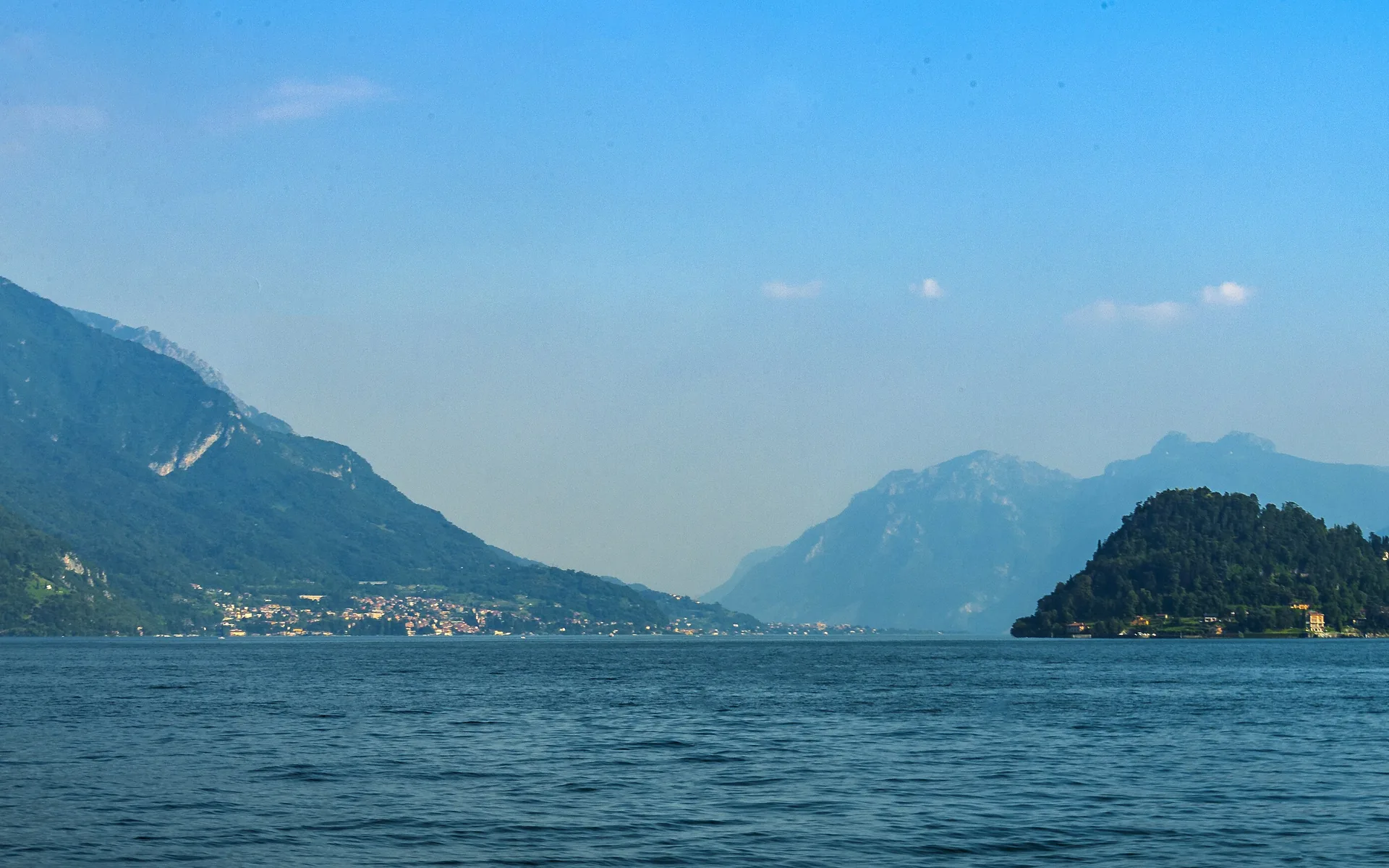
A glacier gouged Lake Como into an upside-down Y — two long arms of deep water below alpine foothills — and Bellagio sits exactly on the fork, looking down all three. It's an hour north of Milan, and a day trip can hold the cruise, Bellagio and one or two more towns. Here's how to fit it together.
The wishbone lake
The wishbone lake
Deep enough to hide a mountain
Lake Como is not just pretty, it's profound: at around 410 metres it's the deepest lake in Italy and the deepest in Europe outside Norway, its floor lying more than two hundred metres below sea level. A glacier carved it into an inverted 'Y' — the Como arm to the south-west, the Lecco arm to the south-east, and a northern reach toward the Alps — and gave it the steep, plunging shores that make the villa terraces cling so dramatically to the water.
Bellagio on the fork
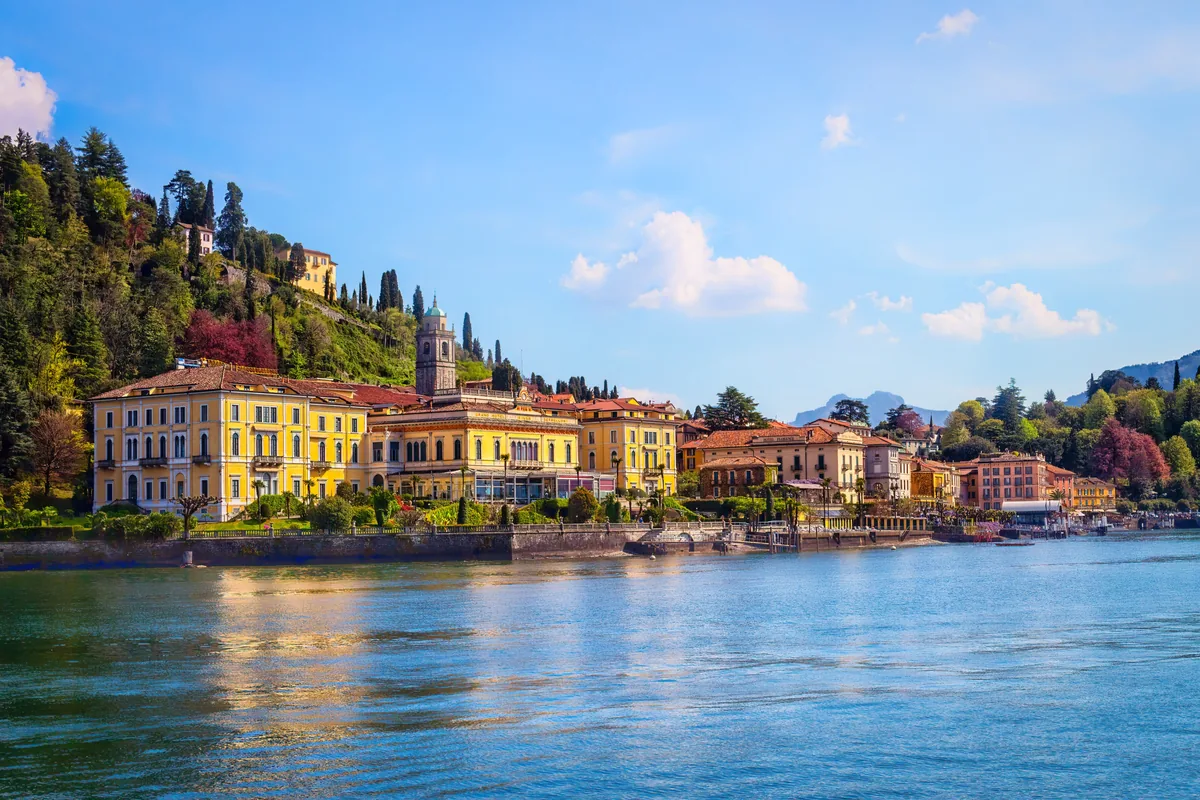
The reason Bellagio wears the nickname 'the Pearl of the Lake' is geography: it sits on the tip of the promontory where the three branches meet, so it looks down all of them at once. That's also why the classic day here is built around it — a cruise along the villa-lined western shore, then time to climb Bellagio's stepped stone alleys, before the boat carries you back. The lake's shape is the itinerary.
A retreat since Rome
People with means have been building on these shores since Roman times, and the habit never stopped — the western shore is a run of grand villas and gardens, and the modern lake is as associated with film stars as with Pliny the Younger. From the water a good cruise points out the famous houses, Villa del Balbianello and Villa Carlotta among them, and the celebrity villas at Laglio, though you admire them from the lake rather than walk in.
Three towns, three characters
The three lake towns, compared
Bellagio
The fork
Stepped salite, Villa Melzi gardens, views down all three arms
Como
South-west tip
The Duomo, Brunate funicular, silk heritage, lakefront
Varenna
East shore
Villa Monastero gardens, the Lovers' Walk, fishing-village calm
How a day fits together
A guided day from Milan follows a natural rhythm: up to the lake, out on the water, and time in the towns. Here's the shape of it.
- 01
Milan up to Como
The day starts in central Milan and runs about an hour north by coach to the town of Como at the south-western tip of the lake — time for the guide to set the scene, the lake's shape, its villas and its silk history, before you reach the water. Independent travellers do the same leg by train, in roughly the same hour, from Milano Centrale or Cadorna.
- 02
Out on the cruise
The heart of the day is time on the water — a cruise up the villa-lined shore, passing the great houses and gardens and, weather clear, the mountains rising straight from the lake. This is the stretch that turns a series of towns into a single lake, and the part that's hard to replicate from land: Como is a lake best understood from a boat.
- 03
Free time in Bellagio
Bellagio is the day's main stop, and it's largely yours to wander: the steep cobbled salite lined with shops climbing away from the water, the lakefront promenade, and the gardens of Villa Melzi a short walk along the shore. Most days give you a couple of hours here — enough for a lakeside lunch and an unhurried loop of the old town.
- 04
Como or Varenna
Depending on the tour and the season, the day adds a second town: Como itself, with its four-centuries-in-the-making Duomo and a funicular up to Brunate, or — April to October — Varenna across the water, quieter, with the shoreline gardens of Villa Monastero and the red-railed Lovers' Walk. Either way, one day is a taster of the lake, not the whole of it.
What the cruise passes
What the cruise passes
The run along the shore is the day's connective tissue. Here's what slides by, and what waits in the towns.
The Pearl of the Lake
On the promontory at the fork of the three branches, all stepped stone alleys, terracotta walls and lakeside gardens. The day's main stop and the one town everyone remembers — climb the salite for the views, walk the shore to Villa Melzi's gardens, and see why it's been the lake's darling for two centuries.
The film-set villa
One of the lake's most photographed houses, on a wooded point near Lenno, its terraced loggia stepping down to the water — a familiar backdrop from the movies. Usually admired from the cruise; its garden can be visited separately, on a seasonal calendar, if you build the day around it.
Gardens above the water
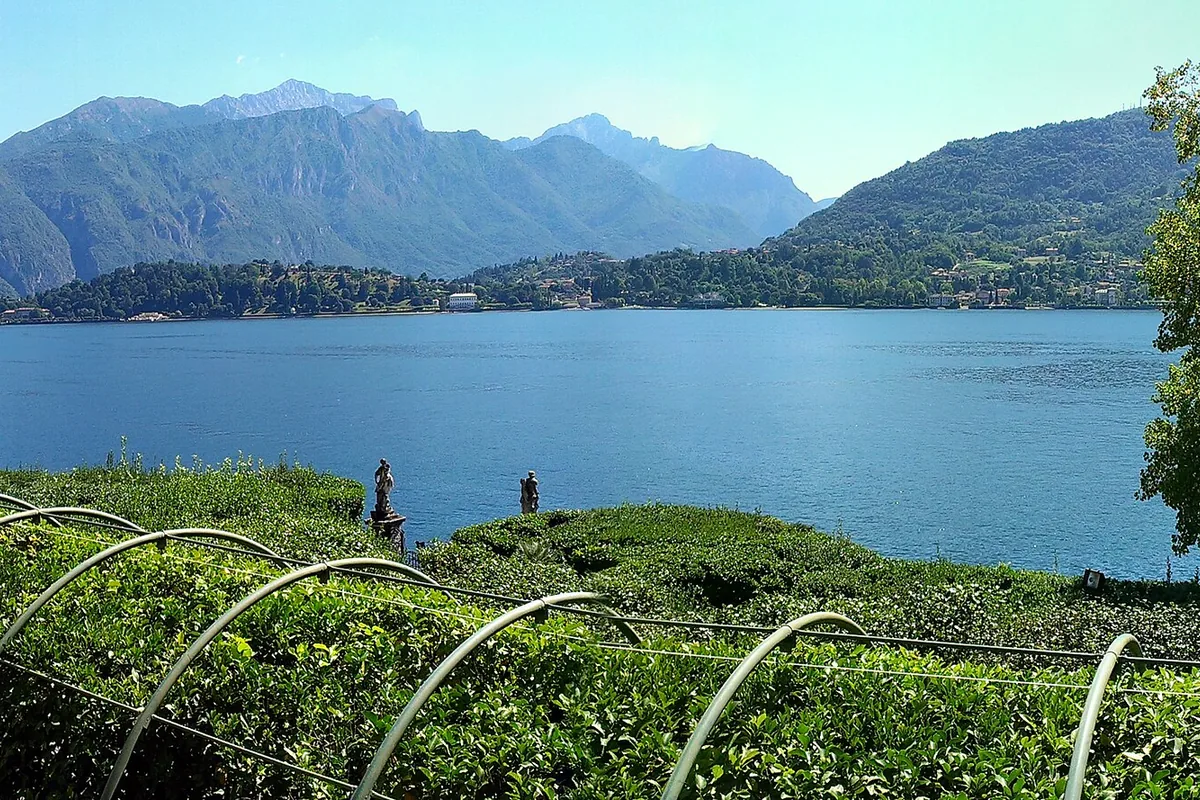
A grand villa at Tremezzo famous for its botanical gardens — azaleas and rhododendrons in spring, camellias and old cypresses — and a collection of sculpture inside. Another the cruise points out; entry is seasonal and ticketed for those who want to walk the terraces.
The Duomo and the funicular
The lake's largest town, at the south-western tip, with a cathedral begun in 1396 and finished nearly four centuries later — Gothic front, Renaissance body, Baroque dome — and a little funicular that climbs to the hill village of Brunate in about seven minutes for a top-down view of the basin.
The quiet shore
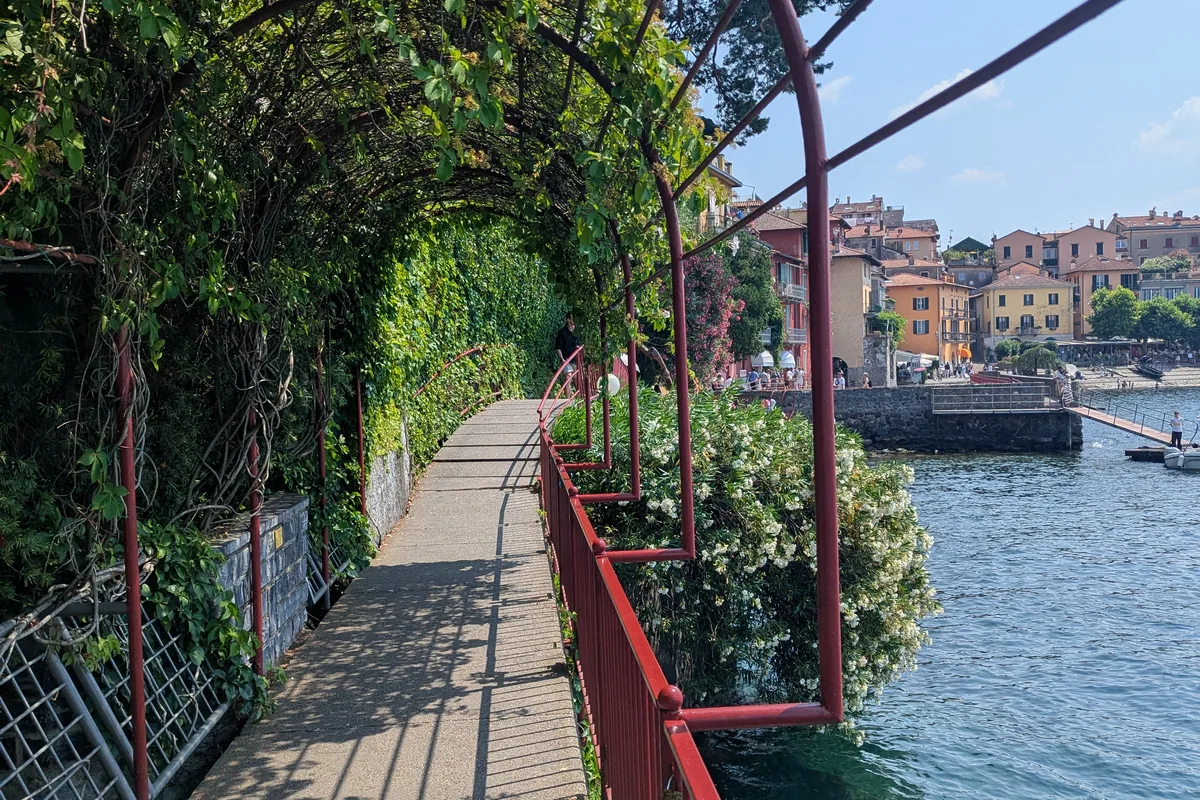
Across the water on the eastern shore, smaller and calmer than Bellagio, with the shoreline gardens of Villa Monastero — a former convent whose planting runs two kilometres along the lake — and the red-railed Passeggiata degli Innamorati, the Lovers' Walk, suspended above the water. A common April-to-October addition.
Laglio and the villas
The western shore below Como is a run of private villas that the cruise glides past, including the one at Laglio long associated with George Clooney. You can't visit them — they're private homes — but they're part of the lake's modern mythology, and the guide will point them out from the water.
What one day can hold
The commonest disappointment on Lake Como is expecting a single day to do everything. Set the right expectations and the day is close to perfect.
Two or three towns, one cruise
A realistic day from Milan is a cruise plus Bellagio, often with Como or Varenna added — a highlights sampler of the central lake, not a comprehensive tour. Free time in each town tends to run an hour and a half to two hours, enough to feel a place without exhausting it. Come for the shape and the atmosphere of the lake; save the deep exploration for an overnight.
Villas from the water, mostly
The famous villas — Balbianello, Carlotta, Melzi — are the lake's signature, but on a standard day trip you generally see them from the cruise rather than tour their interiors or gardens, whose entry is usually separate, ticketed and seasonal. If walking a specific villa garden matters to you, check whether it's included and open on your date, or plan the day around it independently.
Gardens keep a season
Lake Como's villa gardens run a seasonal calendar, most opening around March and closing for winter by late October or early November, with reduced days at the shoulders — and the dates shift each year and each villa. In winter many are shut and some day tours drop Varenna or run a reduced route. For gardens in bloom, aim for spring; always check the current-year opening dates before counting on a specific villa.
Wear shoes for the salite
Bellagio's charm is its stepped stone alleys — the salite — which climb steeply from the waterfront, and Varenna and Como have their share of lanes and slopes too. It's not strenuous, but it's not flat: comfortable shoes turn the walking from a chore into a pleasure, and let you get above the crowds to the quieter upper streets and viewpoints.
Guided day, or do it yourself?
Guided day, or do it yourself?
Lake Como is genuinely easy to reach from Milan on your own — so the real question is whether you want the logistics handled or the freedom to roam.
The day handled
A guided day bundles the Milan-to-lake transfer, a cruise and the ferry legs, with narration along the way, and sets down and picks up on a fixed schedule. You trade some independence for zero logistics: no timetables to decode, no tickets to juggle, and a guide who threads the lake's story together. It's the easy choice if you have one day, no car, and don't want to spend it planning.
Cheaper and freer
Direct trains run Milan to Como in about an hour for only a few euros, and from there the Navigazione Laghi ferries link the central-lake towns — so a self-guided day is cheap and flexible if you're happy to manage the timetables yourself. You lose the narration and the door-to-door coach, and you own the risk of missed connections; the payoff is going where you like, for as long as you like.
When to go
Lake Como has a clear season, and the month decides whether the gardens are open, the ferries frequent and the towns bearable.
Spring (Apr–Jun)
The sweet spot for the gardens: azaleas and rhododendrons at Villa Carlotta, camellias and fresh green everywhere, mild weather and lighter crowds than midsummer. The villas are open, the ferries are ramping up, and the lake looks its most romantic. Late spring is many people's favourite time to come up from Milan for the day.
Summer (Jul–Aug)
Peak everything — the fullest ferry timetable, the longest opening hours, and the biggest crowds and heat. The lake is glorious but Bellagio and Varenna are busy, and the towns can feel packed at midday. If you come in summer, start early, expect company, and use the water: a cruise is always cooler and calmer than the crowded lanes.
Autumn (Sep–Oct)
A second sweet spot: September holds summer's warmth with thinning crowds, and October brings softer light and quieter towns before the villas close for the season. Ferries stay reasonably frequent into the autumn. For a calmer, cooler day with the gardens still open into October, early autumn is hard to fault.
Winter (Nov–Mar)
The quiet season: many villas and gardens close, the ferry timetable thins, and some day tours drop Varenna or run a reduced 'winter edition'. The lake is atmospheric under low cloud and far less crowded, but you'll see the shape of it more than its gardens. Come in winter for the calm and the views, not for the villa terraces.
Lake Como, in pictures
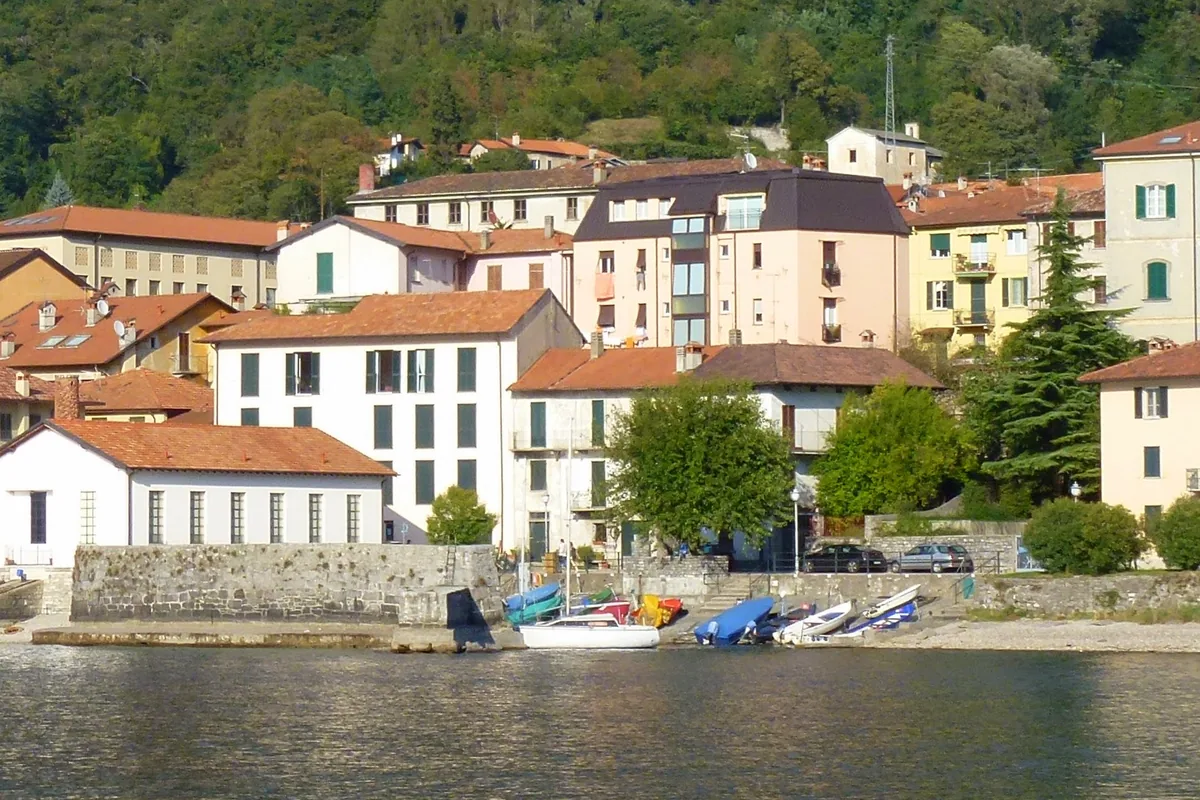
Bellagio on the fork, the villa gardens, Varenna's shore and the water that ties them together.
Planning your day
Planning your day
Decide guided or DIY first
The single biggest decision is whether to book a guided coach-and-cruise day or do it yourself by train and ferry. Guided means zero logistics and narration on a fixed schedule; DIY means a few euros to Como and total freedom, at the cost of managing timetables. Neither is wrong — pick guided for ease on a single packed day, DIY if you value roaming and have the appetite to plan.
Check what the cruise includes
Inclusions vary a lot between tours: some bundle a private boat cruise, others use the public ferries; some add Varenna, some don't; lunch and villa-garden entry are usually extra. Before you book, read the specific itinerary for which towns it visits, whether the cruise is private or scheduled ferry, and what's included — it's the difference between the day you pictured and a surprise.
Mind the villa-garden season
If a particular villa garden — Balbianello, Carlotta, Melzi — is on your wish list, check its current-year opening calendar, because they close for winter (roughly November to March) and keep reduced days at the shoulders, and entry is usually separate from a day tour. For gardens at their best, come in spring; in winter, plan around closures.
Wear comfortable shoes
Bellagio's stepped salite, Varenna's lanes and Como's old town all involve walking on cobbles and slopes. It's gentle rather than hard, but proper shoes make the difference — and let you climb above the waterfront crowds to the quieter upper streets, the gardens and the viewpoints that most day-trippers never reach.
Start early, use the water
Whether guided or independent, an early start beats the midday crowds into Bellagio and Varenna, and the cruise is always the calmest, coolest part of the day. Build the day around time on the water rather than time in the lanes, and you'll come away with the lake's best side — the villas and mountains from the deck of a boat.
Lake Como day trips from Milan
Find a Lake Como day for your dates
Every tour below is bookable through GetYourGuide, with live availability and the final price shown in your own currency before you pay — the guided coach-and-cruise days take the timetable off your hands and put the lake together for you.
Planning a Lake Como day
Lake Como from Milan: Guided Tour or DIY by Train?
The two ways to spend a day on the lake — what each costs you in money, time and freedom, and which suits your trip.
Read more →THE THREE TOWNSBellagio, Como or Varenna: Which Lake Town?
The central lake's three main towns have distinct characters — what each is like, and how they fit into a single day.
Read more →THE VILLASLake Como's Villas and Gardens, Explained
Balbianello, Carlotta, Melzi and the rest — which you can visit, which you only cruise past, and when they're open.
Read more →WHEN TO GOThe Best Time to Visit Lake Como
Gardens in bloom, quiet towns, full ferry timetables or winter calm — the four seasons on the lake, compared.
Read more →THE DAYOne Day on Lake Como: What to Expect
How a day from Milan actually unfolds — the drive up, the cruise, the towns and the rhythm of the crowds.
Read more →Questions
Lake Como questions
How long is the day trip, and how far is Lake Como from Milan?
It's about an hour from Milan to the town of Como by road or train, and a guided day trip runs roughly 10 hours door to door — a morning departure and a late-afternoon or early-evening return. The time on the lake itself is the bulk of the day: a cruise plus free time in Bellagio and usually one more town.
Which towns will I actually see in one day?
Realistically a cruise plus Bellagio, very often with Como (where the day usually starts) and, from about April to October, Varenna added across the water. One day is a highlights sampler of the central lake rather than a comprehensive tour — you'll get the shape and atmosphere of Como and two or three of its towns, not all of it. Check the specific itinerary for exactly which towns and cruise it includes.
Do we go inside the famous villas and gardens?
Usually not on a standard day trip — the great villas like Balbianello, Carlotta and Melzi are generally seen from the cruise, and their gardens have separate, seasonal, ticketed entry. If walking a particular villa garden matters to you, check whether it's included and open on your date, or plan an independent day around it. The cruise points the villas out; entering them is a different plan.
Should I book a guided tour or just take the train?
Both work. Direct trains run Milan to Como in about an hour for only a few euros, and the Navigazione Laghi ferries link the central-lake towns, so a DIY day is cheap and flexible if you'll manage the timetables. A guided coach-and-cruise day costs more but removes the logistics entirely — transfer, cruise and often the ferries bundled, with narration. Choose DIY for freedom and budget, guided for ease on a single packed day.
When is the best time to visit Lake Como?
Spring (April to June) and early autumn (September to October) are the sweet spots: the villa gardens are open, the weather is mild and the crowds are lighter than midsummer. Spring brings the gardens into bloom; autumn keeps the warmth with fewer people. Summer is the busiest and hottest with the fullest ferry timetable, and winter is quiet with many villas and gardens closed and some tours running reduced routes.
Will I see George Clooney's villa?
Cruises along the western shore commonly point out the villa at Laglio long associated with George Clooney, but you see it from the water — it's a private home and can't be visited. It's part of the lake's modern celebrity mythology rather than a stop; treat it as a passing highlight the guide will note, not somewhere you go.